
Diet & Treats
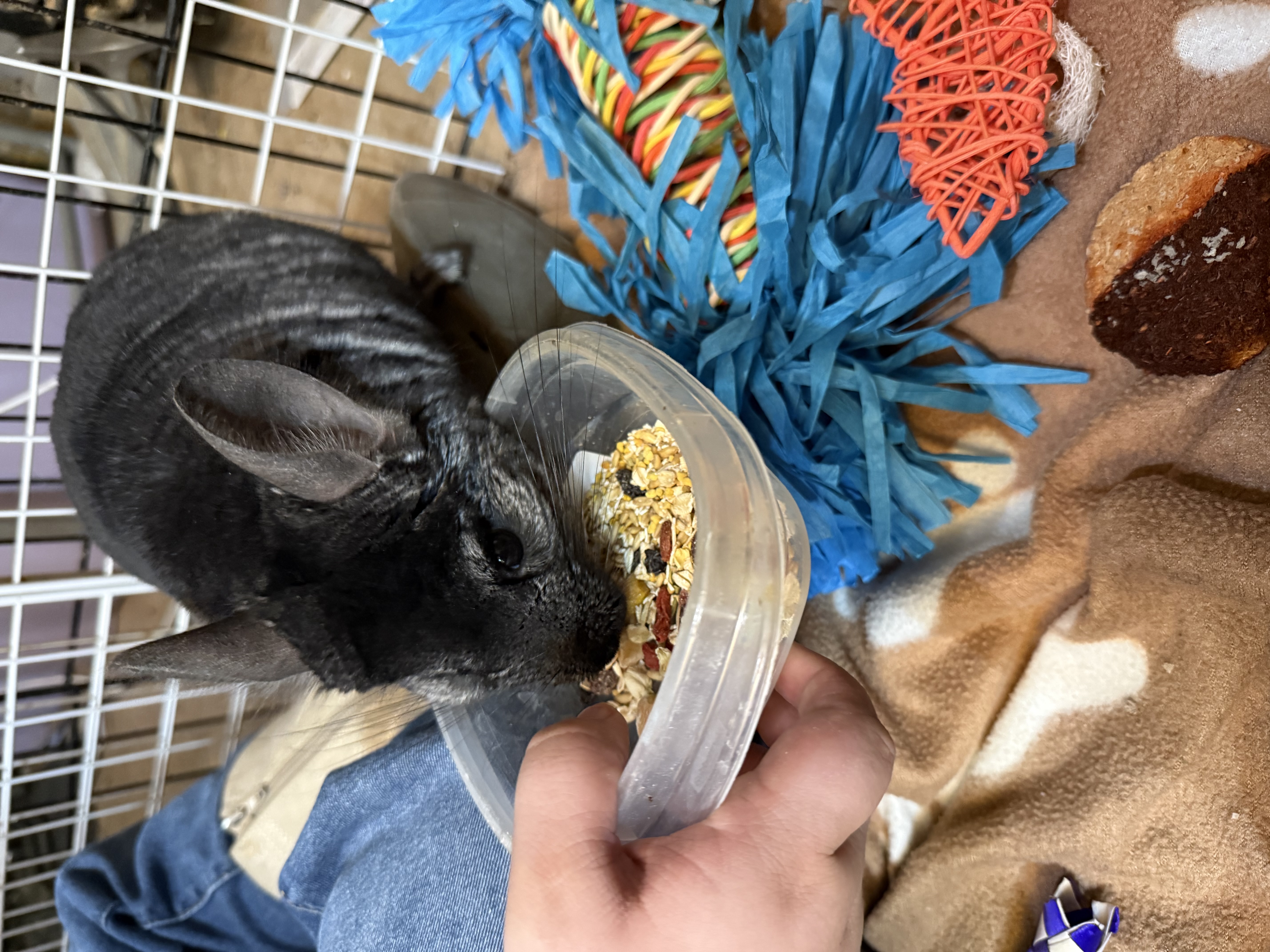
A proper diet is the most critical part of chinchilla care. They have extremely sensitive digestive systems that are designed to process high-fiber, low-sugar foods.
The Basics
- Hay: Unlimited, high-quality Timothy or Orchard grass hay should make up 75-80% of their diet.
- Pellets: 1-2 tablespoons daily of a high-quality, plain alfalfa-based pellet (no colorful pieces or seeds mixed in).
- Water: Fresh, filtered water provided in a glass bottle with a metal spout, changed daily.
Safe Treats & Toppers
Never feed your chinchilla fruits, vegetables, seeds, or nuts. Instead, opt for chin-safe herbs, rosehips, or our very own Pippin's Wellness Sprinkles! Our small-batch herbal toppers are designed specifically for enrichment without disrupting their delicate bellies.
Housing & Environment
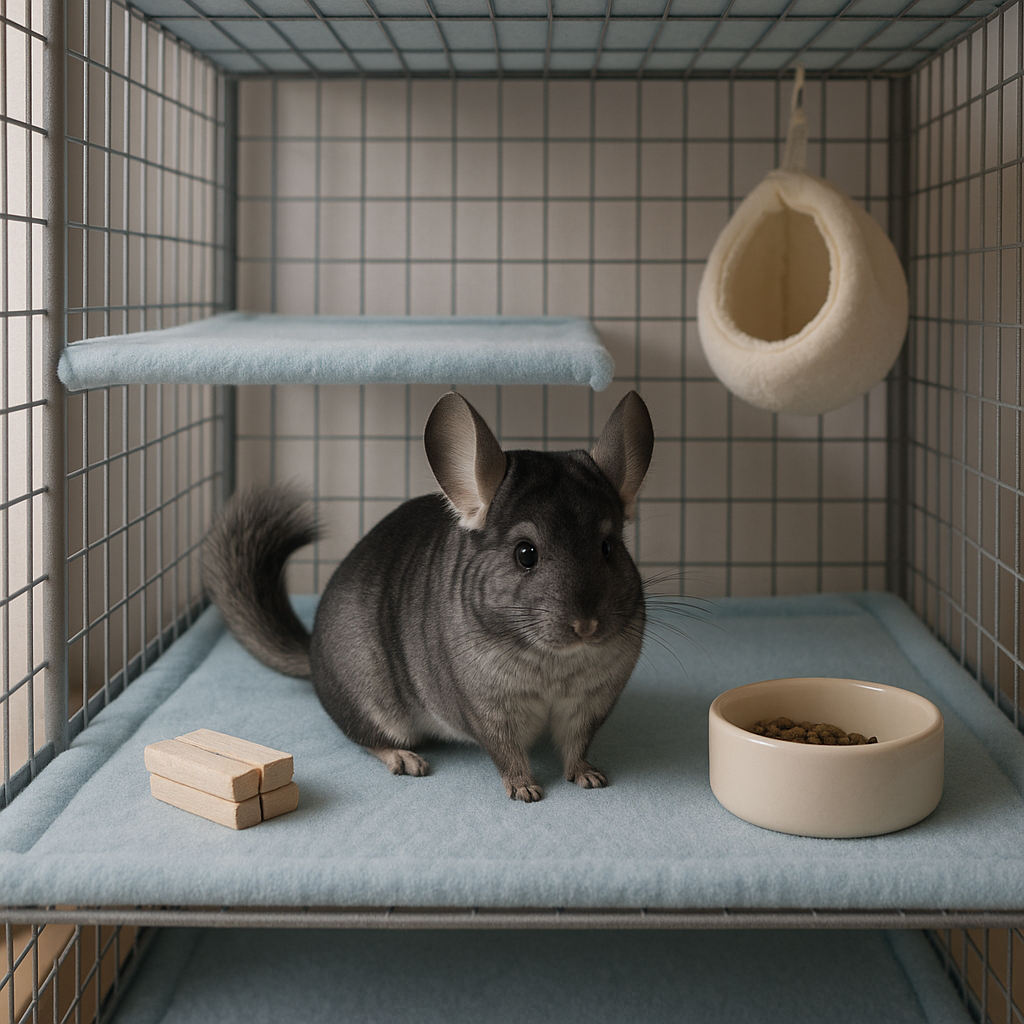
Chinchillas are incredibly active and need plenty of vertical space to jump and explore safely.
The Setup
- The Cage: A tall, multi-level wire cage is best. Avoid plastic ledges or pans, as chins will chew them and risk intestinal blockages. Use kiln-dried pine or fleece liners.
- Temperature Control: Chinchillas overheat very easily and cannot sweat. The room temperature must remain below 72°F (22°C) at all times. Air conditioning is a must!
- Wheels: If you provide a wheel, it must be solid metal (no wire mesh) and at least 15 inches in diameter to prevent spine damage.
Dust Baths & Grooming
Because their fur is incredibly dense (up to 80 hairs per follicle!), chinchillas should never get wet. Water can become trapped near the skin and cause dangerous fungal infections.
Bath Routine
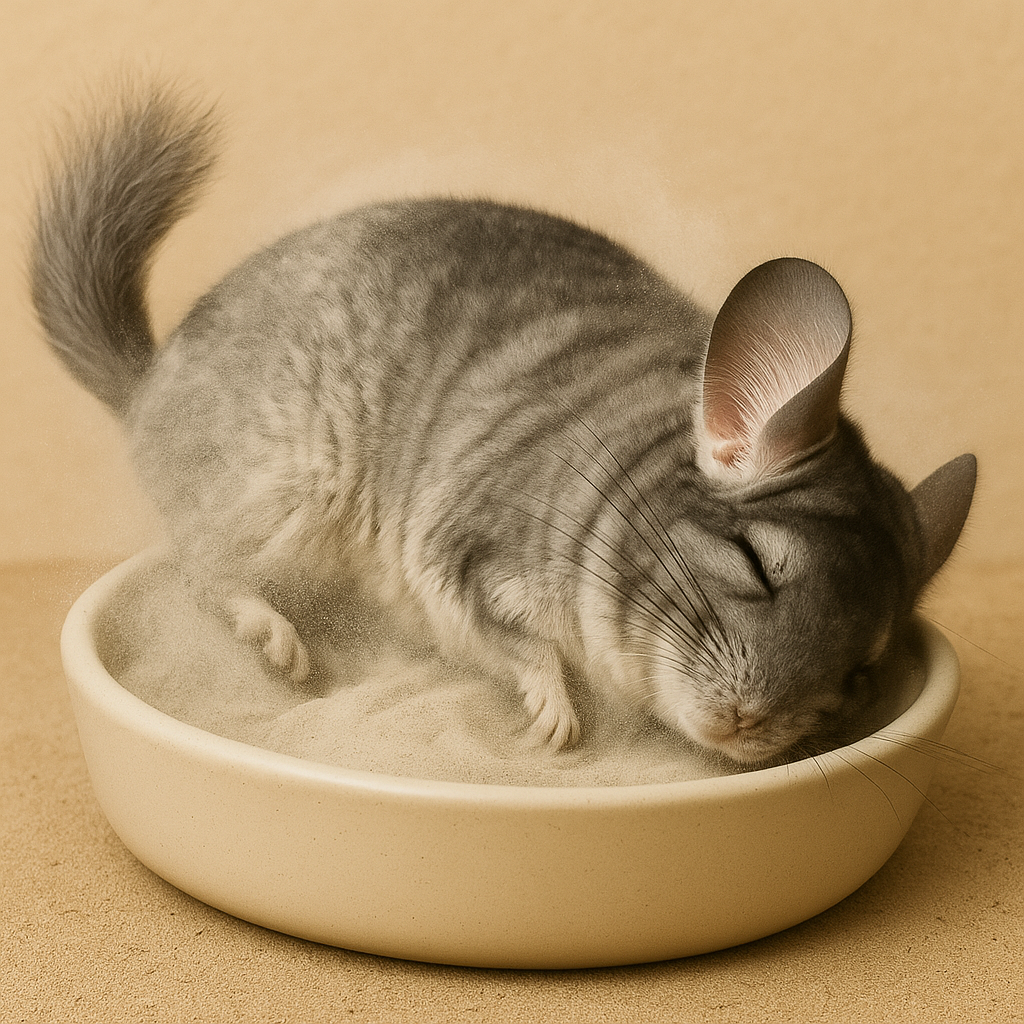
To keep their coats clean and degreased, chinchillas take dust baths! Provide a safe, high-quality chinchilla dust in a heavy container 2-3 times a week for about 15 minutes. Over-dusting can cause dry skin, while under-dusting can lead to matted fur.
Health & Wellness Basics
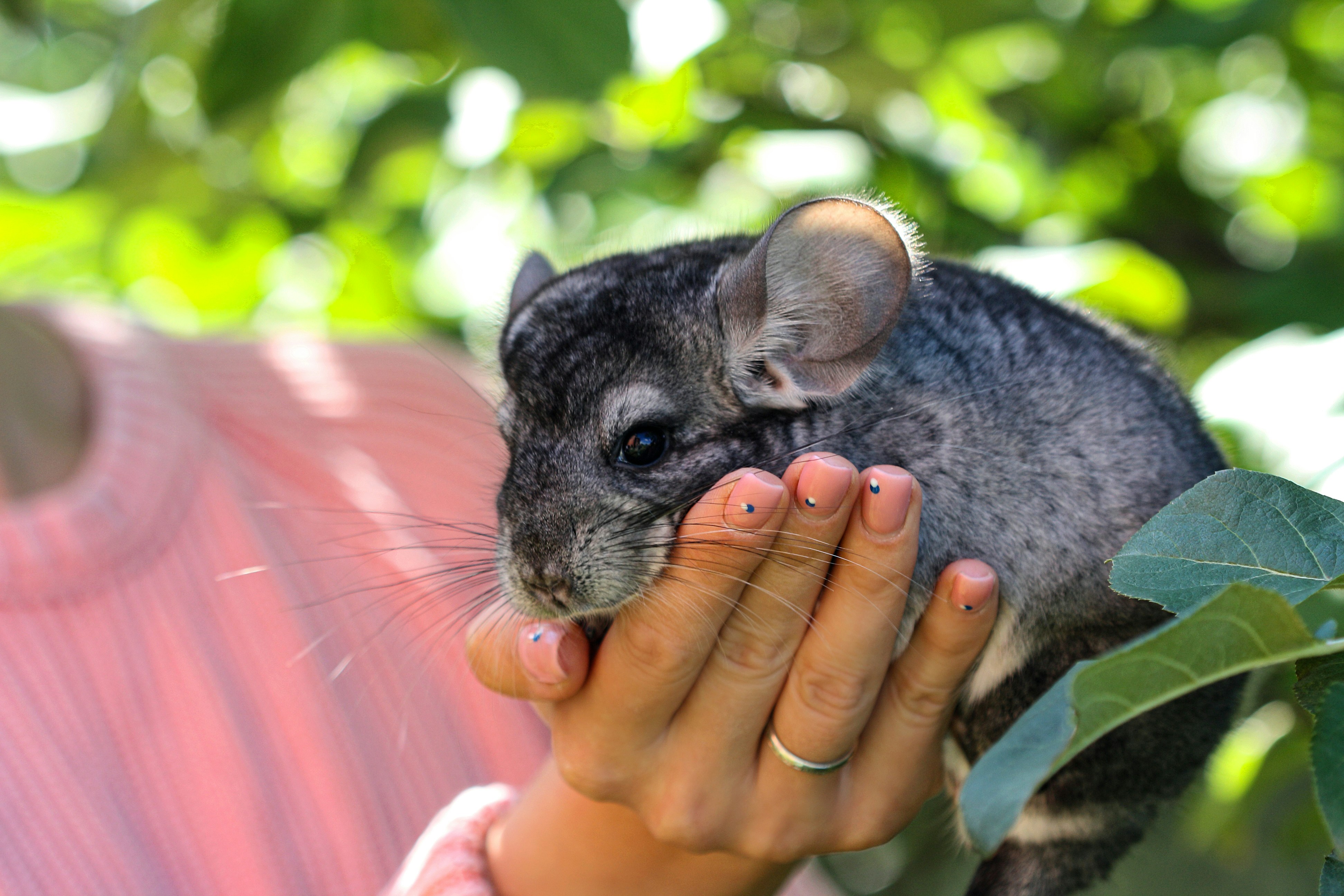
Chinchillas are prey animals, which means they are masters at hiding illnesses until they are critically sick. Monitoring their daily habits is key.
When to Call an Exotic Vet
- Noticeable weight loss or changes in eating habits.
- Drooling, pawing at the mouth, or watery eyes (often signs of dental disease).
- Changes in their droppings (smaller, softer, or absent).
- Lethargy or lack of interest in treats they normally love.
Always establish a relationship with an exotic veterinarian before an emergency happens!