| Chinchilla
Diet & Treats
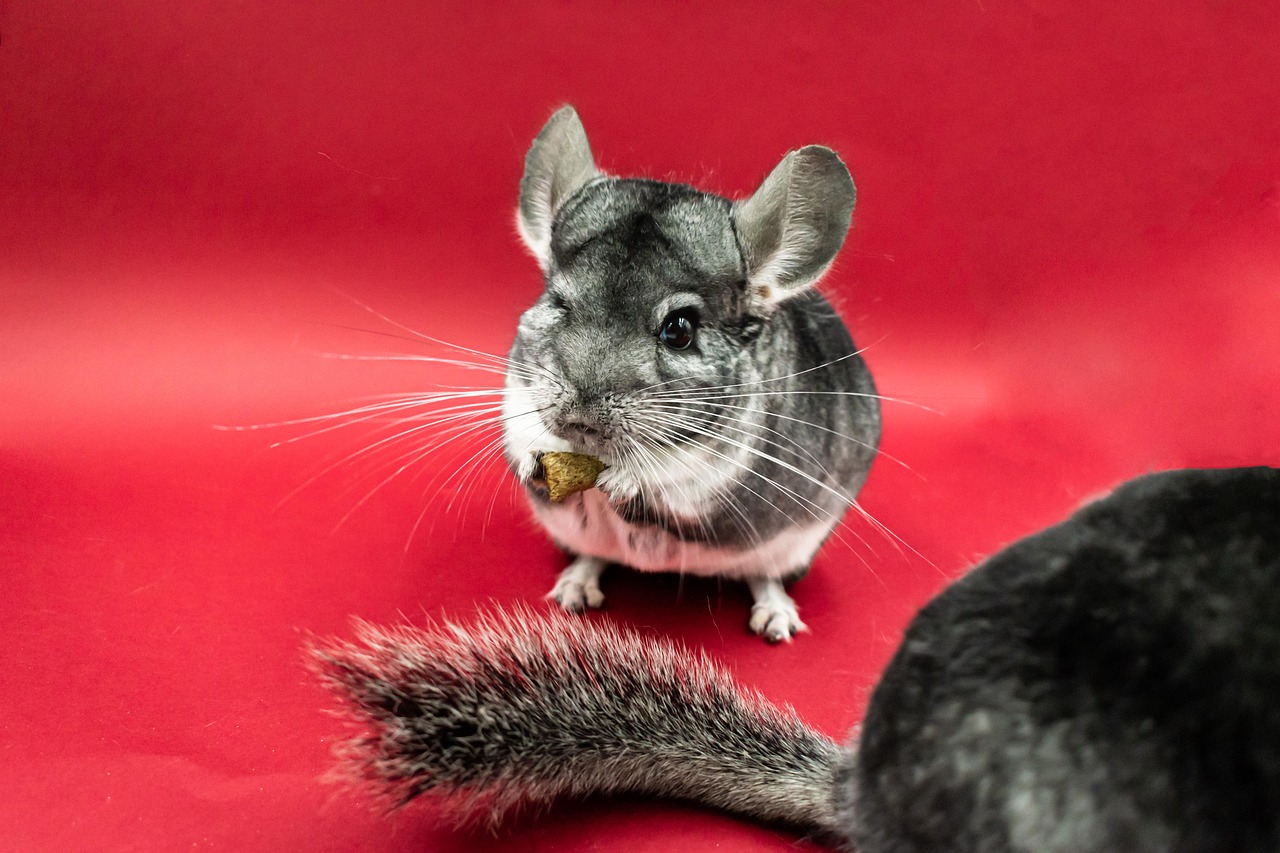 A healthy chinchilla diet is 90–95% grass hay, high-quality pellets, and fresh water. Treats are the sprinkles on top — tiny, occasional, and carefully chosen. ⸻ Hay Hay is the foundation of a chinchilla’s health. It keeps teeth worn properly and keeps the digestive system moving. ✅ Timothy (1st or 2nd cut) ✅ Orchard grass ✅ Meadow hay ✅ Small amounts of alfalfa for young chins or occasional treats Always offer unlimited hay in a clean rack so it stays dry and fresh. ⸻ Pellets Simple, plain, and high-fiber. Pellets should support hay, not replace it. ✅ Chinchilla-specific pellets only ✅ No colored bits, seeds, nuts, dried fruit, or “gourmet” mixes ✅ Portion: 1–2 tablespoons per chin per day ⸻ Our Pellet Recommendations At Setareh Chinchillas, we stick with clean, high-quality pellets with no fillers or junk. • Oxbow Essentials / “Signature” (RED bag only) This is what Pippin is on. The green Oxbow bag has extra ingredients and fillers we don’t use here. • Mazuri Chinchilla Diet • Science Selective Chinchilla Pellets • Oxbow Chinchilla Essentials (Red Bag) (This is what Mochi came from foster on.) Mochi (formerly Kirby) has been eating a blend of: • Oxbow • Mazuri • Science Selective Because he’s happy and eating well on that combination — and because Pippin isn’t a huge fan of Oxbow red on its own — we’ll be mixing all three for a gradual, gentle transition so they both stay enthusiastic about their food. ⸻ How We Transition Pellets Chinchillas have sensitive digestive systems, so new foods should always be introduced slowly. Week 1: 75% old pellets / 25% new Week 2: 50% old / 50% new Week 3: 25% old / 75% new Week 4: 100% new (if everything looks good) We monitor: • appetite • poop size/shape • hydration • overall behavior and energy If anything looks “off,” we slow down the transition for a few extra days. Chinchillas do best with slow changes and predictable routines — tiny tummies, big opinions. 😆 ⸻ Water Fresh, clean water daily in a bottle with a working sipper tip. Wash weekly — stubborn chins may require more. ⸻ ⭐ Treats — The Fun Stuff Treats should be tiny, occasional, and herb-focused, not sugar-focused. ✅ Safe, Healthy Treats: • Rose petals • Calendula • Chamomile • Hibiscus • Dandelion leaf • Apple wood sticks • Small hay cubes • A pinch of bee pollen ✅ Rare/Special Occasion: • Raisins • Goji berry • Rosehips • Dried apple (no sugar added) ❌ Avoid: • Seeds or nuts • Dried fruit mixes • Yogurt drops • Sugary treats • Human food • anything sticky, chewy, or high-fat Chinchilla stomachs are delicate — treats should be tiny. Like… crumb-tiny. Like… “is it even there?” tiny. 😆 ⸻ 💛 Pippin-Approved Treat Rotation Chins thrive on variety, not quantity. We rotate herbs, flowers, and grains daily so tummies stay happy. Example: • Sun: Goji + Cheerio + Dandelion + Carrot • Mon: Rosehip + Pippin Puff™ + Calendula • Tues: Raisin + Shredded Wheat (½) + Rose Petals • …and so on (We even built a printable weekly menu — yes, we went there.) ⸻ 🌿 Our Treats Pippin’s Chin-Credible Power Mix Tiny sprinkle • Mighty boost • Fluff-approved Pippin’s Wellness & Vitality Herb Blend For picky eaters, rescues, and growing chins Pippin’s Honey Dust Pinch-size toppers for appetite and enrichment ✔ Made with single-ingredient, chin-safe herbs ✔ No sugar, fillers, or junk ✔ Used in tiny amounts (because chins are tiny) ⸻ ✅ Feeding Rules (Easy & Safe) • Treats = bonus, not meals • Herbs > Fruits • Add one new treat at a time • Watch poop size, shape, and frequency • If in doubt, skip it — they won’t mind ⸻ ❗ Red Flags Call an exotics vet if you see: • No poop • Soft/loose poop • Not eating hay • Bloated belly • Lethargic behavior • Drooling or wet chin • Loss of appetite |
|
|
One chin changed everything now we are changing care for all of them. Because Pippin deserved the best and so does every chin. |
     | Privacy Policy |